Friday, October 25, 2013

Sciatica Pain


Detail Guide of Sciatica Pain


All those who have experienced sciatica pain know how painful and excruciating it can be. Until now many people believe that sciatica is a disease, but it is a symptom. It results from problems that are associated with the sciatic nerve, such as inflammation, compression and injury near it.

sciatica pain treatment
Very challenging when dealing with extreme sciatica pain. The impact will make simple activities such as getting dressed, going to the bathroom, and standing will be difficult to do. Every part of a person's life will be affected when having extreme sciatica pain. Another effect is that you never seem to get enough sleep because of a shift in position can cause considerable pain to awaken. Driving becomes difficult because sciatica nerve pain may prevent full control over the clutch, gas and brake pedals. That same pain also interrupts concentration, making it hard to work.

Sciatica Pain Symptoms


- There is a constant pain coming down one side from the lower back, through the thigh and down the leg.

- The pain becomes worse while sitting.

- Difficulty moving the leg coupled with numbing.

- Flashes of acute pain

- The sciatic nerve is the largest nerve in our body and is made up of a series of nerve roots that start off in the lower back and runs on down the leg. The pain can therefore be present in the lower back or the leg and in some cases both presenting a continuous ache through the back and the leg.

- The pain is caused by pressure on the nerve that can take place in different parts along one of the two sciatic nerves. The symptom of the specific pain will also depend on where this pressure is taking place which is why sciatic pain can be felt in the lower back, or the leg. Similarly that pressure along the sciatic nerve will cause the different symptoms (while sitting, through the back and into the leg, flashes of pain or the leg movement difficulties).

- The majority of sciatica pain attacks are usually over in a short period of time, from a few days to one or two weeks and tend to disappear on their own. Though the episode is of short duration, pain relief is needed. If it is a one-off event and gets better on its own you will soon forget about it. However if the pain is recurrent it is always advisable to visit a specialist as this could be an indication that you should take preventive measures to avoid a worsening of the situation. The type of therapy that will generally be advised is based on guided exercise and pain management.

- There are cases where the severity of the pain is such that you need a more aggressive solution or when the pain does not diminish on its own. For these cases a structured program involving physical therapy will be needed and in more acute and severe cases there is the possibility of needing a surgical intervention.

The Pain of Sciatica Causes


Piriformis syndrome is the most common cause of sciatica pain. Piriformis Syndrome occurs when the piriformis muscle, due to tightness or spasms, pinched or compressed the sciatic nerve.The piriformis muscle starts in the lower spine, it crosses the buttocks, and connects to the thigh bone, if this muscle becomes inflamed and swollen it will pinch or put pressure on the nerve causing the sciatica pain. This is because the nerve runs underneath the muscle so, when the muscle swells it places pressure on the nerve which causes the pain you feel in your lower back, buttocks, and legs.

Sciatica might create pain and discomfort, weakness, even lack of feeling along the sciatic nerve's pathway. Moreover, it's accompanied by low lower back pain and afflicts every individual at some time and to some extent. Again and again, this perplexing problem causes lower back pain that can occur unexpectedly and can go on for an extended time. For this and several other reasons, when back pain sufferers ignore sciatica pain, they are ignoring a issue that may turn into a life-long battle. Though the causes for sciatica pain are abundant, it should not be assumed that it is just an aggravated muscle. Infections, ruptured discs, internal bleeding, and causes which are more serious aren't uncommon. Suffering through the pain will not make it go away.

Sciatica Pain Treatment


Medical practitioner will talk with you about your treatment options after they have identified what is causing your sciatica pain. Some of the things are included in your treatment is as follows:

- Muscle relaxers - these can also help in relaxing the muscles associated with your sciatica and relieving the pain.

- Anti-inflammatory medications - since sciatica is typically caused by inflammation and compression on the sciatic nerve, medical practitioners usually prescribe anti-inflammatory medications for people suffering from sciatica. These medications also help relieve the pain of sciatica.

- Physical therapy - physical therapy is also recommended for people with sciatica pain.

- Exercise - people who suffer from sciatica may prefer to lie in bed so they don't experience any pain, but a sedentary lifestyle can actually worsen the sciatic nerve pain you're feeling. Exercise is usually recommended for those with sciatica since this can help build your buttocks and leg muscles to prevent further injury to your sciatic nerve.

There are also other treatments available for those suffering from sciatica if the conventional treatment options do not work. So do not give up and lose hope if you've tried these things but keep looking for another treatment if the sciatica pain has not healed. There are many resources out there that can give you help for sciatica.


Saturday, October 19, 2013

Migraine Pain


Do not Let The Migraine Pain Make You Lose Everything


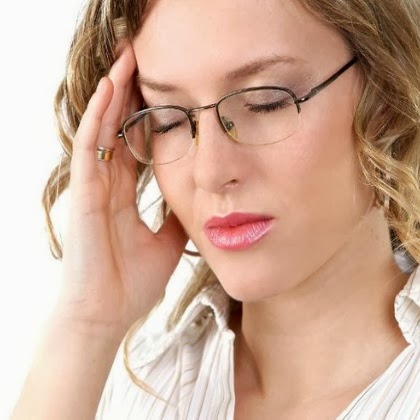
Migraine pain is one disease that is very harmful because it is very disturbing career, family and your social life. If you are experiencing this pain it will feel throbbing pain in one area of your head, it is often accompanied by nausea and vomiting.  There were an estimated 30 million Americans suffer from migraines. Usually the most vulnerable age suffer from migraine pain among people aged 25 to 55, although children and adolescents can suffer from this pain. Approximately one in five women and one in 16 men suffer from migraines, so women three times more likely to suffer from migraines than men.

migraine pain relief

Migraines are classified as severe if painful headache that is often preceded or accompanied by sensory warning signs such as flashes of light, blind spots, tingling in the arms and legs, nausea, vomiting, and increased sensitivity to light and sound. Migraines can cause a lot of trouble and discomfort to people that suffer from it. So many people experience migraine pain at least several times a month, or even weekly, or daily.

Symptoms of Migraine Pain


- Nausea with or without vomiting

- Anxiety

- Exposure to light

- Sensitivity to light and sound

- Lack of food or sleep

- Stress

Causes of Migraine Pain


Abnormal brain activity that cause migraine pain and can be triggered by many factors. However, the exact cause is unknown. Today, most medical experts believe the attack begins in the brain, and involves nerve pathways and chemicals. The changes affect blood flow in the brain and surrounding tissues.

There is often a family history of the disorder, suggesting that migraine sufferers may inherit sensitivity to triggers that produce inflammation in the blood vessels and nerves around the brain, causing pain. Many factors can trigger migraines, including tiredness, stress, dehydration, missed or delayed meals, and certain food and drinks, such as cheese, chocolate, coffee, tea and alcohol.

Migraine Pain Relief


Here are five ways to alleviate migraine pain :

- Try to get adequate rest and relaxation.

Try to reduce and avoid stress and do not let your lack of sleep that can disrupt your sleep patterns are prone to trigger migraine pain. Try to take the time to relax into a place that you like and try to focus your time relaxing and make sure to get enough sleep every day. Try to sleep at a fixed time each night and give yourself time to relax before bed. Turn off the television and computer, do not forget your cell phone as well.
- Exercise 

Exercise allows the pent-up energy that stress produces to dissipate. At the same time, your body releases endorphins that not only makes you feel good about yourself, it also acts as a natural analgesic resulting in instant migraine pain relief. Walking, running, swimming, aerobics and water aerobics are excellent choices.

-  Watch Your Diet

Be sure to eliminate potential migraine food triggers from our diet. Alternatively you can substitute these dietary triggers with safer choices. Read your labels carefully and avoid monosodium glutamate and food additives as much as possible. Limit alcohol and caffeine. Drink water instead of carbonated and energy drinks. Replace hot dogs and cured meats with fresh chicken and fish instead. This is because migraine attacks have been linked to sodium nitrite which is found in processed meat.

- Get A Massage
Visit a certified massage therapist who will then apply manual pressure to the pain joints on your head and neck to alleviate migraine pain behind the eye and in the neck. If you are unable to find time to go for a massage, you can also apply cold compresses to reduce the pain.

-  Go For Botox Injections For Migraines

The Food and Drug Administration has approved the use of botox for treating migraine headaches. Botox injections can be given every twelve weeks to the head and neck. This treatment has been found to reduce the occurrence of migraine for four to six months. This method of reducing pain may have potential side effects. Be sure to discuss them with your doctor to ensure you make an informed decision.

For those suffering from chronic migraine pain, it is best to talk to your doctor, who may prescribe medication for the prevention and treatment of the pain.


Read the other guide on  Diagnosing Knee Pain


References

What Is Migraine? What Causes Migraines?.  http://www.medicalnewstoday.com/articles/148373.php ( october 18, 2013 )


Migraine. http://health.nytimes.com/health/guides/disease/migraine/ . ( October 19, 2013 )